Repair a scan before reducing it
The Namaqualand scan has 85,716 triangles across four stones. Switch from the source wireframe to the compiled level, then compare the same stones at each budget.
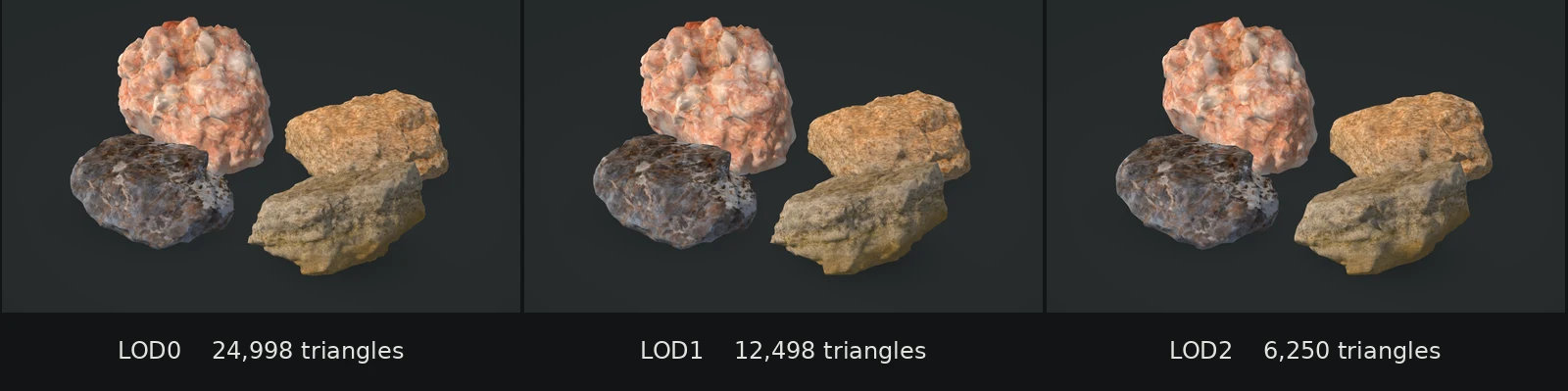
Measure every level
meshfx reads glTF, GLB, OBJ, STL and PLY with PNG and JPEG textures. It measures holes, flipped faces and non-manifold edges before repair.
Each repair is checked against the source and undone with a warning if it moves the surface too far. meshfx reduces to a triangle budget and makes LODs with the source UVs. Each level reports measured distance, outline and faults.
The hosted bake keeps the source UVs and existing vertex colours. See the schema reference for the stages each key belongs to.
Your assets come fully articulated, without building the motion from scratch
Your agent sends one spec to get a lighter asset that keeps its motion. Every part moves the way it was built, at a lower runtime cost.
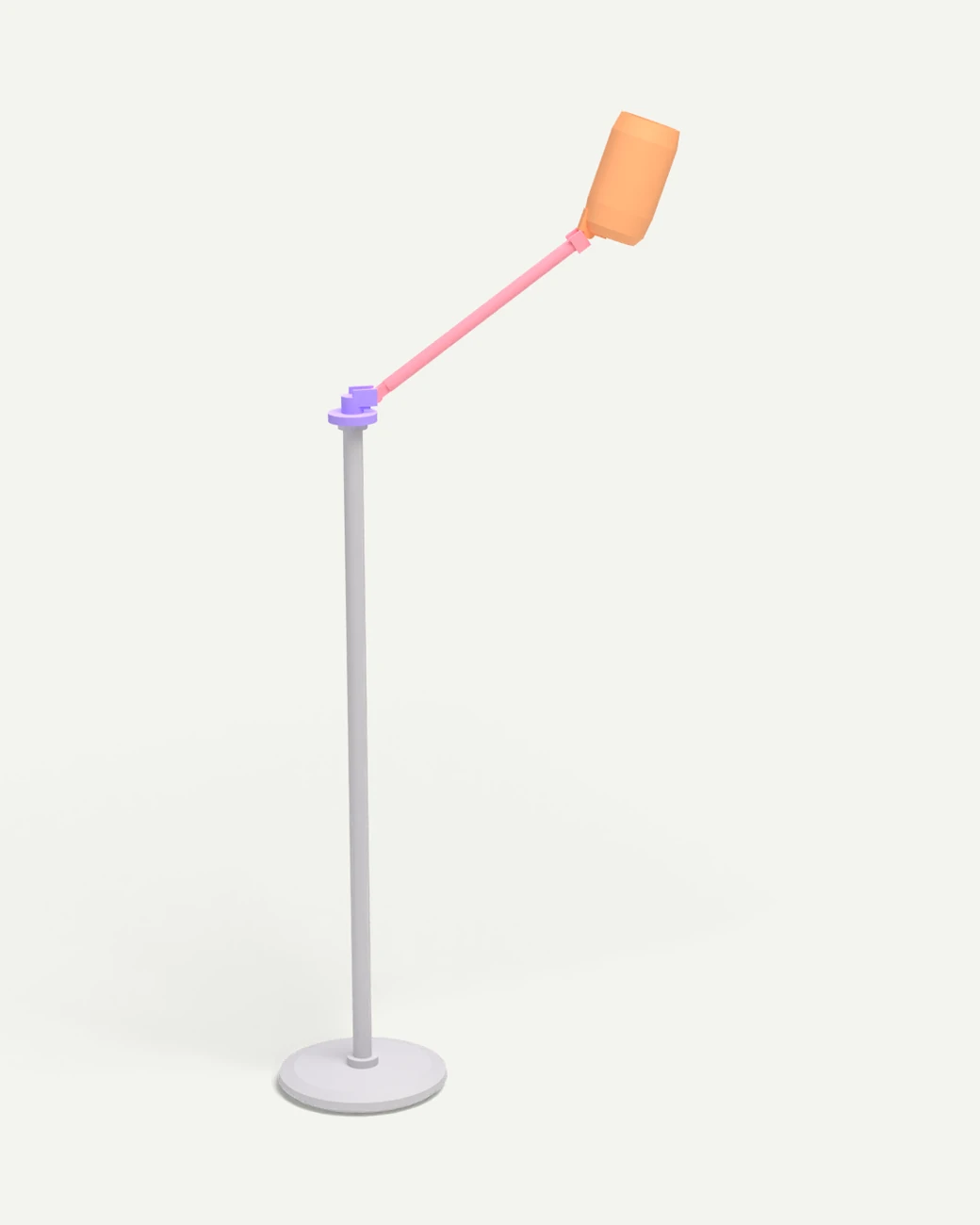
Try the washer or the lamp to see how each part moves.
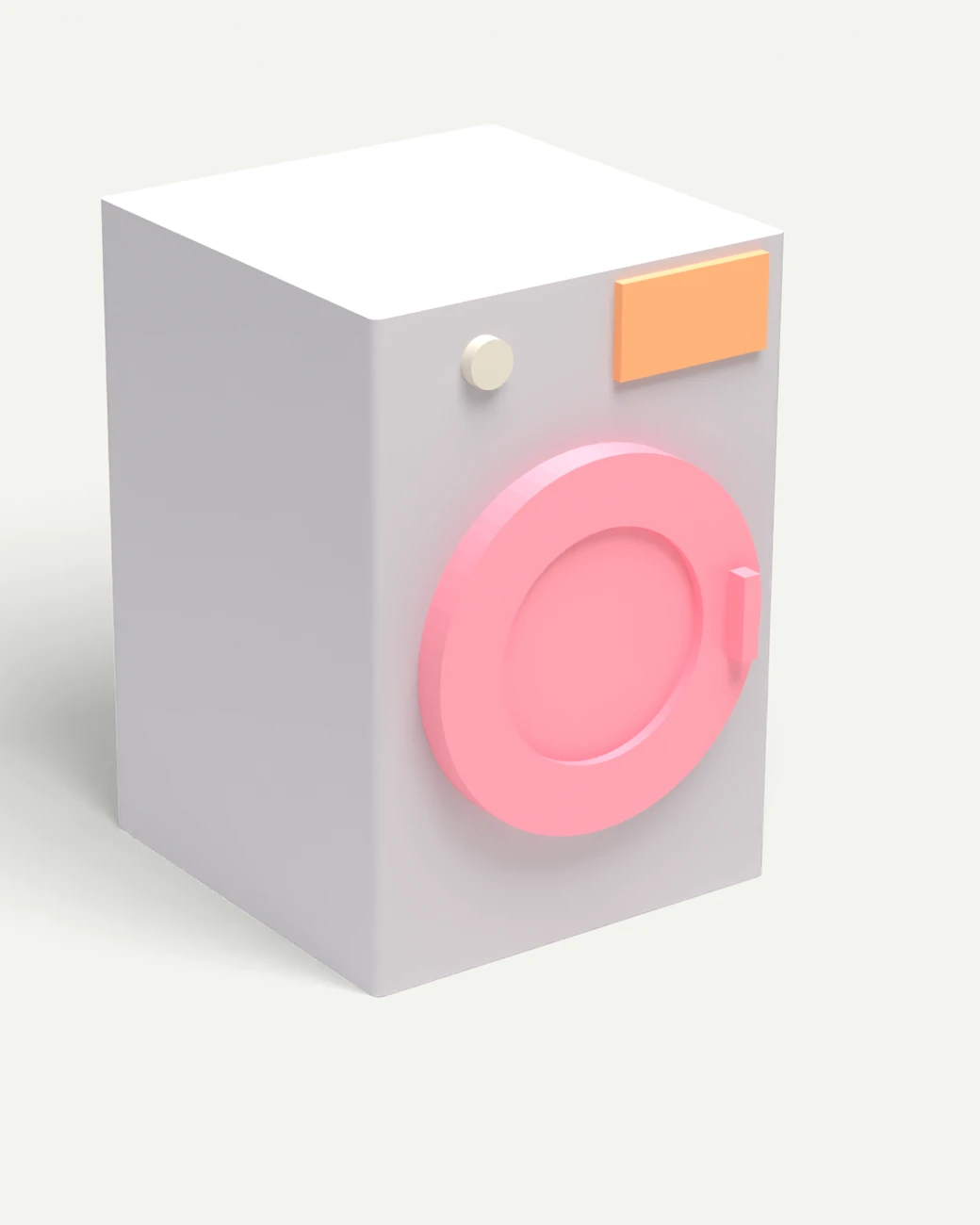
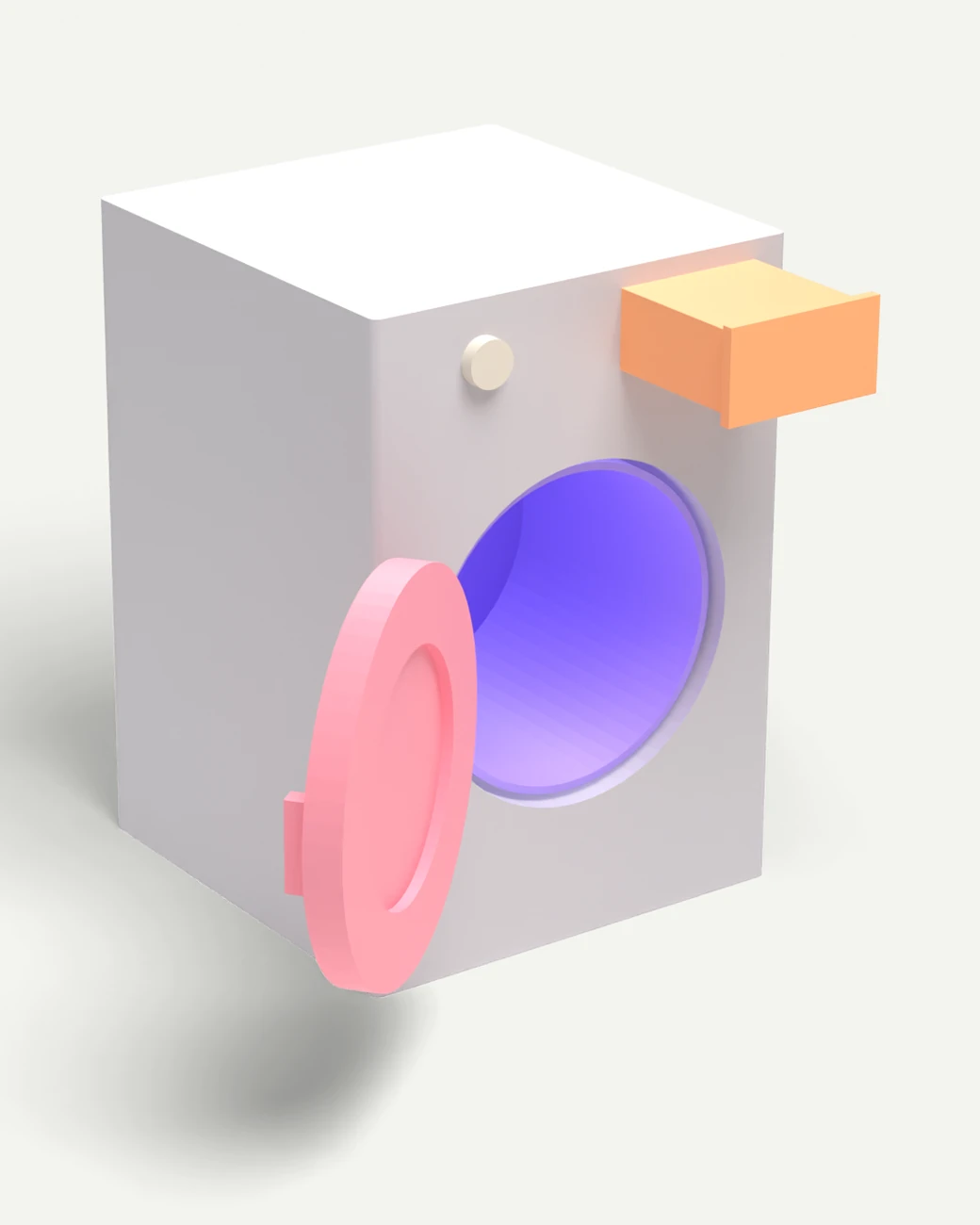
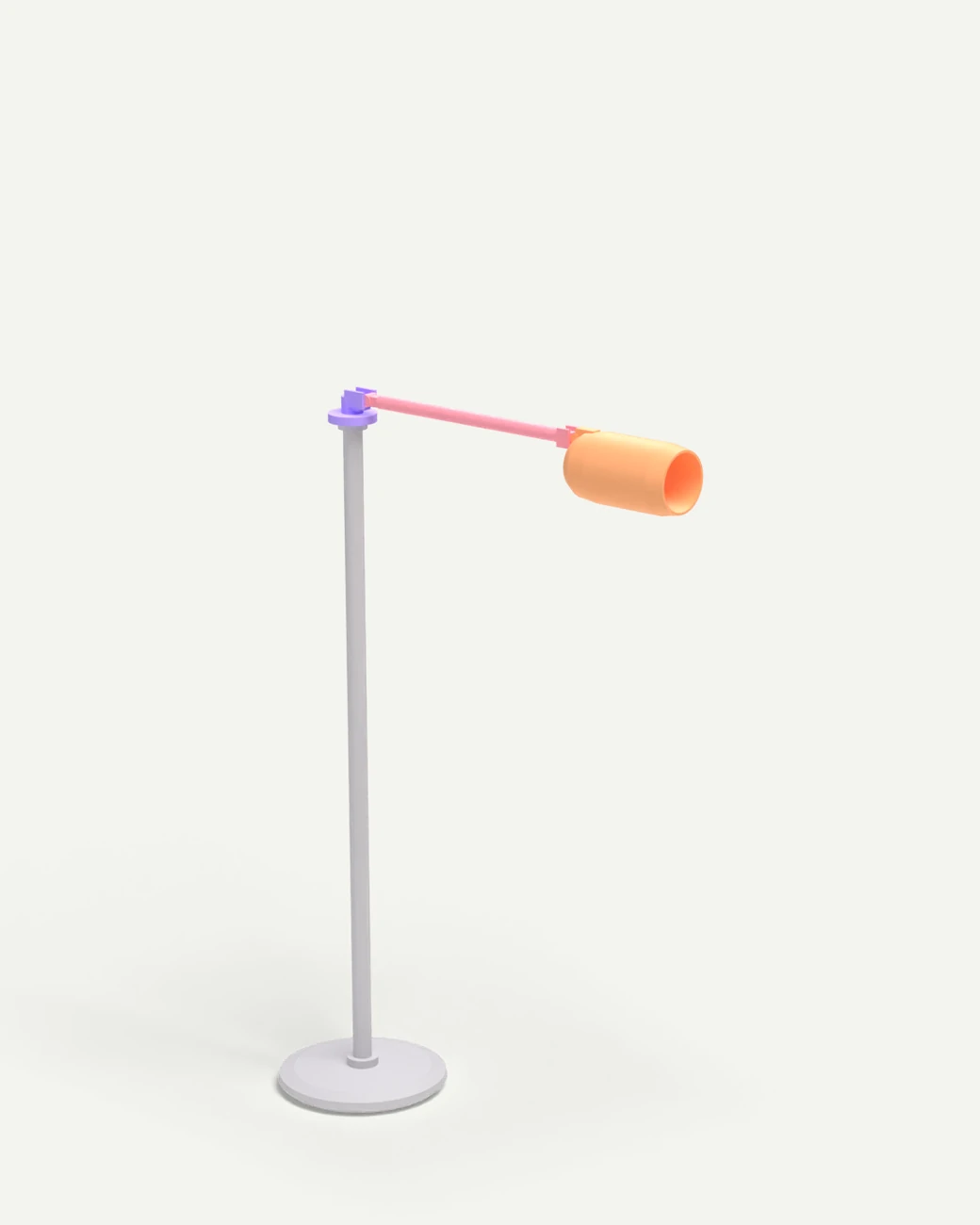
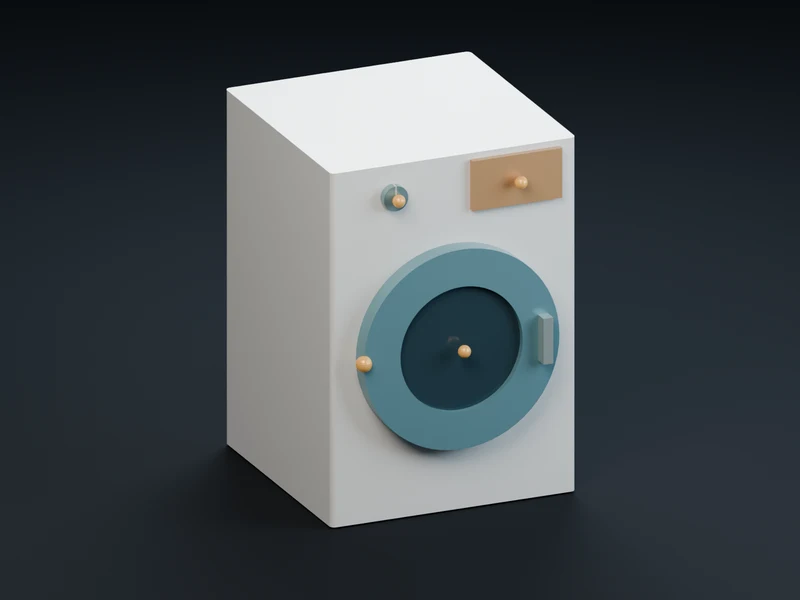
Start with marked moving partsBegin with a model that marks each part meant to move. 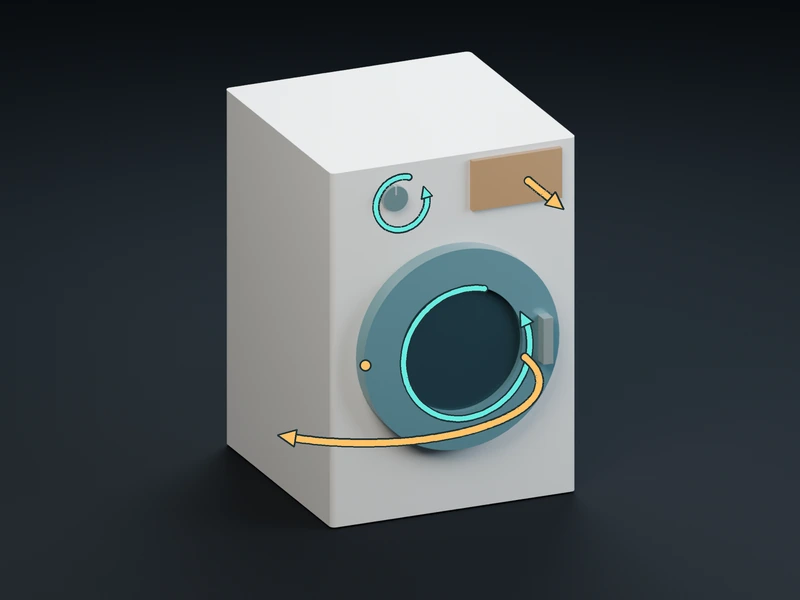
meshfx finds every jointmeshfx identifies each joint and its motion limits. 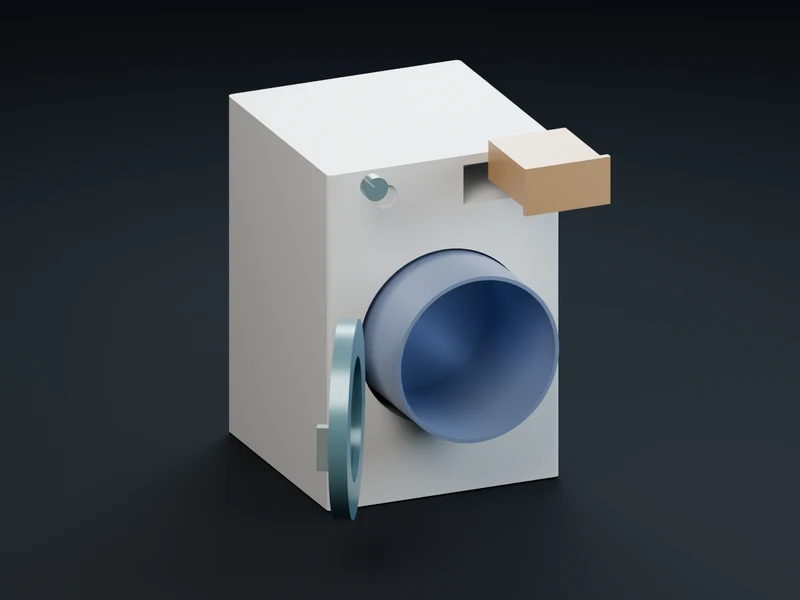
Parts are reduced on their ownEach rigid part is cleaned and reduced on its own, without merging that part into the rest of the model. 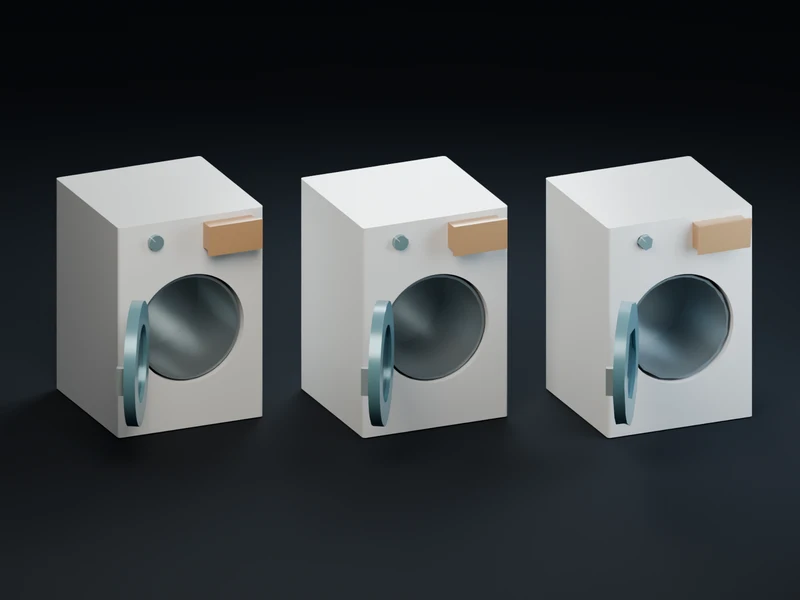
Lighter versions still moveEvery level of detail keeps the same joints and motion limits intact. 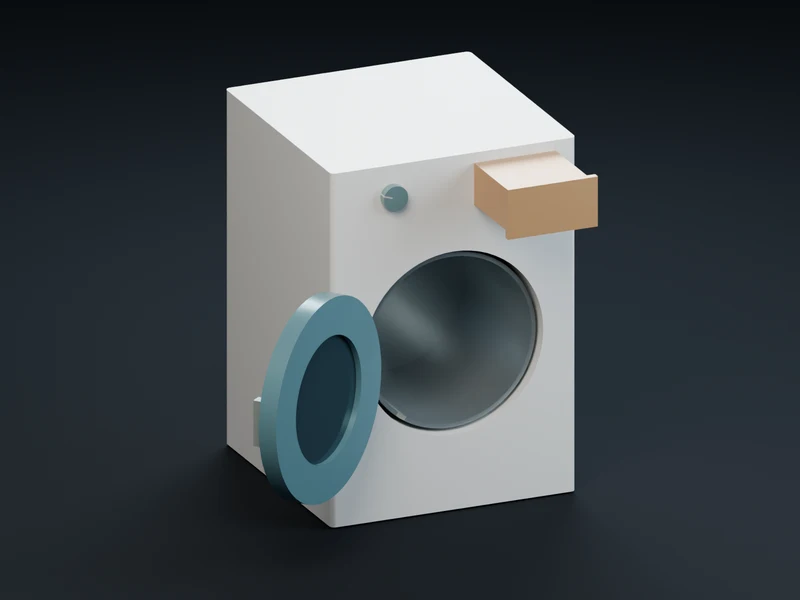
Fully articulated in your engineYour game or agent gets a lighter asset that already moves, without building the motion from scratch.
The compiled asset keeps its moving parts at every detail level, and Godot exports include a controller so you get full articulation without writing or building the motion from scratch. Read the articulation docs →
Questions
Which 3D file formats and textures does meshfx accept?
meshfx reads glTF, GLB, OBJ, STL and PLY files with PNG and JPEG textures and hosted jobs keep existing UVs and vertex colours.
How does meshfx protect surface shape during repair and reduction?
meshfx measures faults before repair, checks each fix against the source and undoes any repair that moves the surface too far.
What does the Namaqualand Rocks meshfx example output?
It reduces 85,716 input triangles across four stones into three levels of 24,998, 12,498 and 6,250 triangles while sharing the source textures.